
Mon to Sat 07 am to 06 pm
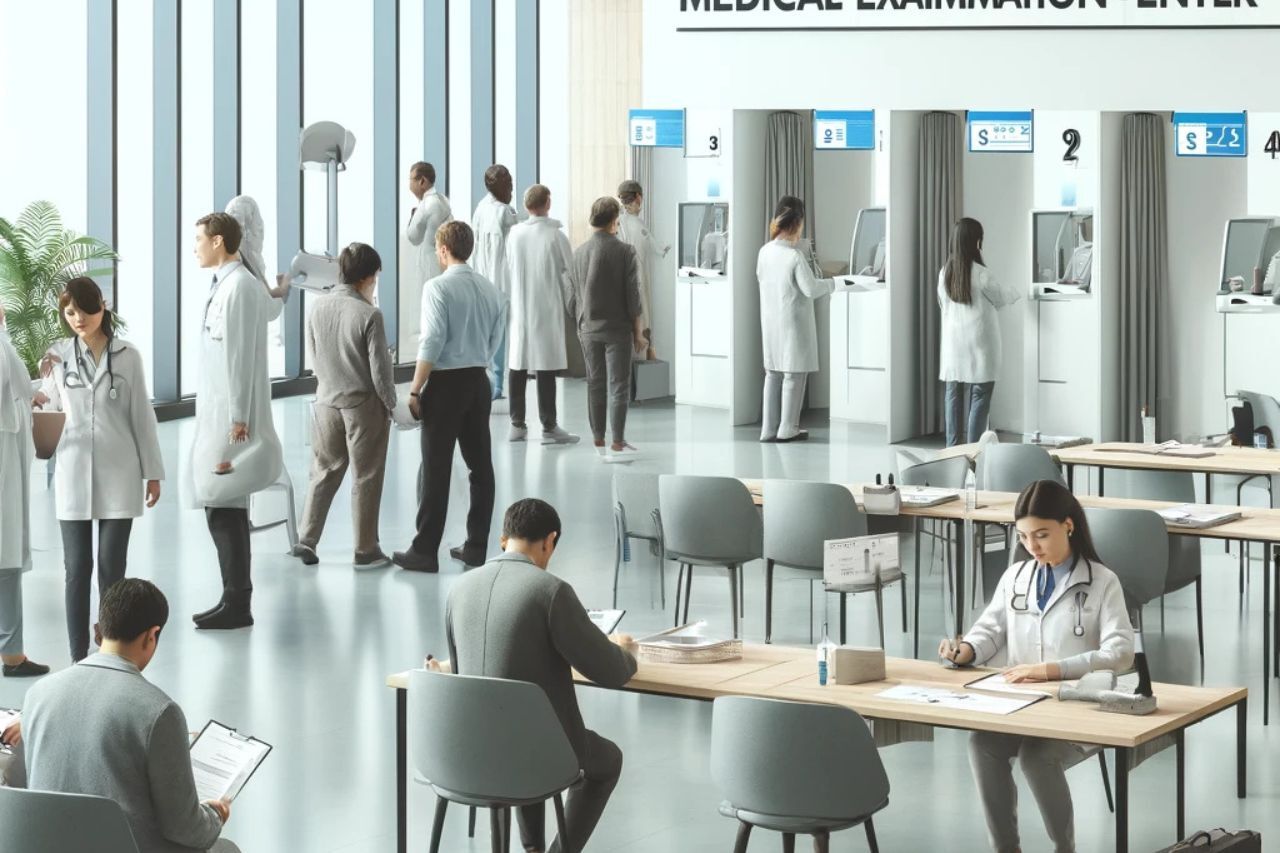
Medical examinations are a standard criterion for acquiring a work visa in many countries worldwide. These exams are critical for guaranteeing an individual's health and upholding public health standards in the destination country. Many countries, particularly the Gulf Cooperation Council (GCC) and the European Union (EU), mandate these exams to reduce health hazards and safeguard the general public. Here's a closer look at why medical exams are required for international work visas, and how they help both applicants and host countries.
The fundamental rationale for mandating medical examinations for work permits is to limit the spread of contagious diseases. When people travel from one country to another, they may unintentionally transport illnesses or infections that can quickly spread in their new surroundings. Medical screenings are designed to detect communicable illnesses such as tuberculosis, hepatitis, and HIV, which can pose serious dangers in highly populated workplaces. Countries with strict public health standards require these checks to discover any disorders that may affect both the arriving individual and the local community.
A medical exam also verifies that workers meet the host country's health standards. This paperwork demonstrates that an individual is clear of contagious diseases, limiting the possibility of outbreaks and easing the burden on the healthcare system. As a result, this serves to protect residents, colleagues, and their families.
Many occupations abroad, like construction, healthcare, and hospitality, require physical stamina and good health. Pre-existing conditions or physical restrictions in these positions can influence performance, safety, and well-being. Medical examinations look at cardiovascular health, lung function, physical fitness, and other aspects to see if an applicant can handle the physical demands of their planned employment.
This screening method is critical for employers since it allows them to assess candidates' suitability and potentially prevent workplace mishaps. Knowing that people are healthy for their jobs might help them avoid injury and lessen stress caused by health issues that may occur while working.
Another important reason for performing medical examinations is to alleviate the strain on host countries' public healthcare systems. By ensuring that new workers are in good health, countries can reduce the need for emergency or long-term medical care for foreign workers. This preventive action conserves healthcare resources for both citizens and residents, lowering expenses and resulting in a healthier workforce overall.
Host countries with publicly funded healthcare systems have a vested interest in managing healthcare expenditures efficiently. Workers who arrive without pre-existing or chronic conditions are less likely to require medical intervention. By screening individuals beforehand, countries effectively manage healthcare costs and maintain public resources.
Countries with strict immigration policies often include health standards to regulate who enters for work or residency. This step aligns with efforts to promote a stable and productive workforce. Ensuring incoming workers meet these health standards reinforces compliance with immigration laws and enables countries to maintain high standards of health and safety.
Most immigration policies consider the impact of new workers on local resources, and health is a key factor in these evaluations. By adhering to these policies, countries protect public health and create a safer working environment for all. In addition, applicants who pass the medical screening process can experience smoother visa approvals, avoiding delays or rejections due to health-related issues.
In conclusion, the medical examination required for a work visa is necessary for several reasons. It protects the workers' and their new community's health, decreases the strain on public health systems, and assures that workers can satisfy employment expectations. Furthermore, compliance with immigration regulations benefits both applicants and host countries. For those considering working overseas, meeting the health standards is a proactive and critical step toward a successful and fulfilling job.